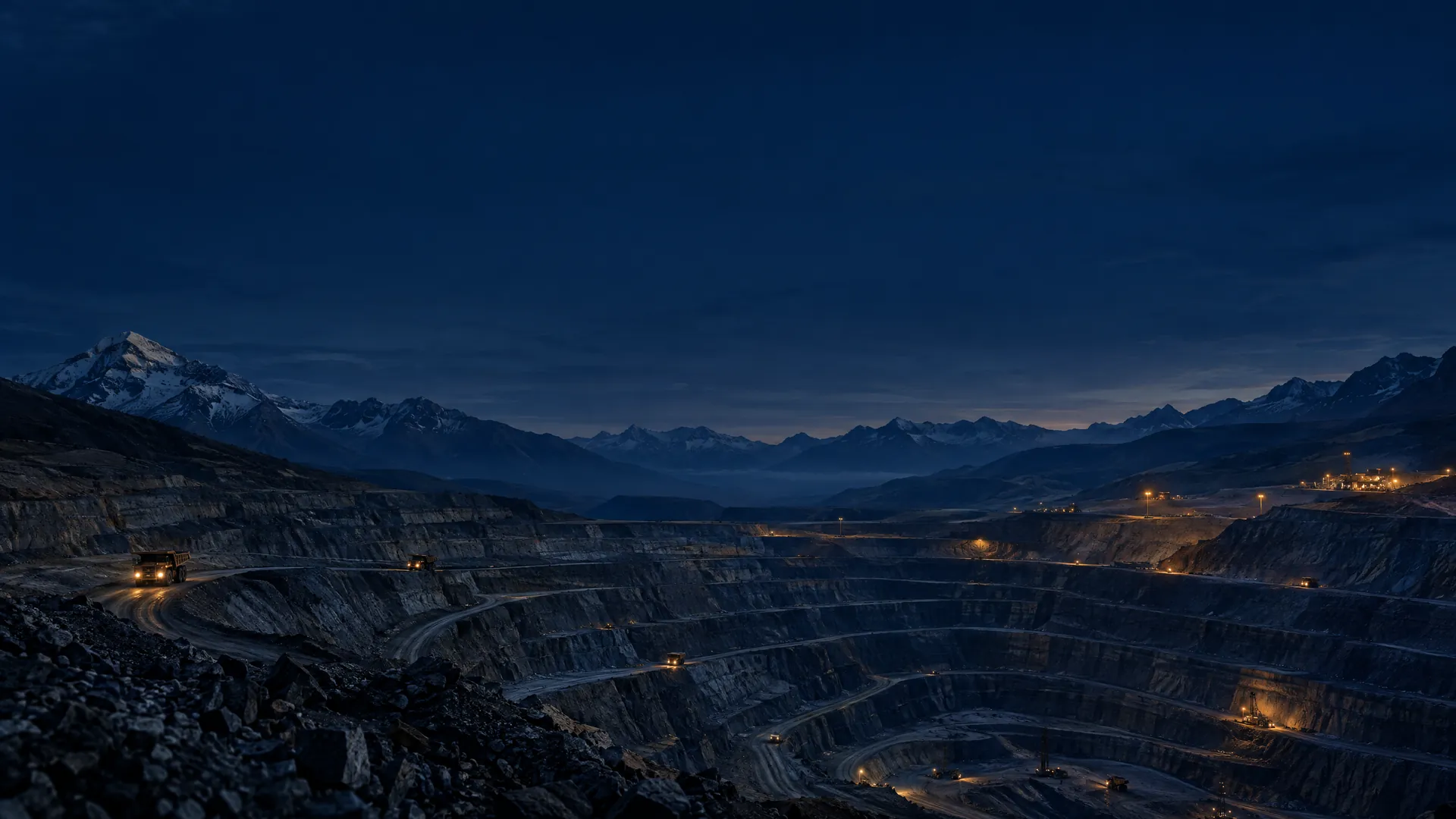
Data from verified sources: Control Risks, Dragos, ICMM, ACFE, PDI Chile, ACP Colombia and regulators across the region.
Critical · USD 1B+/year in global losses
Copper and fuel theft
Copper reached USD 5.22/lb in 2025, fueling organized theft. In Chile, cable theft from power distributors grew 217% in a single year (854 incidents, 42 tons). In Colombia, oil fields lose 2,500 barrels a week to cable theft. In Argentina, a ring dismantled in 2020 was tapping the Bahía Blanca–La Plata pipeline and making USD 5M a year.
Critical · USD 2.5M per day of downtime
Infrastructure sabotage
Colombia has recorded more than 3,600 attacks on oil infrastructure since 1986. In the first half of 2025 alone, Cenit reported 20 attacks — 150% more than in 2024. In Germany, arson attacks on power pylons caused €30–70M in damage. With the expansion of Vaca Muerta and the 437 km of new pipeline to Punta Colorada, the assets to protect in Argentina are multiplying.
Critical · USD 1.7B in value destroyed (Cobre Panamá)
Loss of the social license to operate
Cobre Panamá — one of the largest mines in the world — was shut down in 2023 after mass protests. In Peru, Las Bambas has accumulated more than 600 days of blockades, with losses of USD 9.5M a day. 47% of new Peruvian mining projects face active social conflicts. In the Lithium Triangle, more than 400 Indigenous communities are affected by extraction in Argentina, Bolivia and Chile.
High · 87% year-over-year increase in attacks
Cyberattacks on OT/SCADA systems
Dragos documented 3,300 industrial organizations hit by ransomware in 2025. Halliburton lost USD 35M in a single attack. The FrostyGoop malware cut off heating to 600 buildings by manipulating Modbus TCP protocols. In Latin America, attacks grew 108%, with 40% targeting critical infrastructure. In Peruvian mining, only 0.10% of the budget goes to cyber protection.
High · USD 550,000 median loss per case
Internal fraud and small-scale theft
Mining has the highest median fraud loss of any industry (ACFE 2024). At one large copper mine, 300 ghost employees were found on the payroll, along with a 7.8% loss in procurement. Minera Los Pelambres (Chile) uncovered a USD 8.5M fraud involving collusion between an employee and a supplier. Kroll identifies Latin American oil and mining companies as the most exposed to corporate fraud.
High · 42 fatalities at ICMM companies in 2024
Tailings dam failures and accidents
Since 1915, 257 dam failures have been recorded, with 2,650 fatalities. Samarco/Mariana (Brazil) led to a USD 30 billion settlement. The Veladero mine (Argentina) spilled 1.08 million liters of cyanide into the Turbio River. ICMM reported 42 fatalities in 2024 — the third consecutive annual increase — with 83% linked to critical control failures.